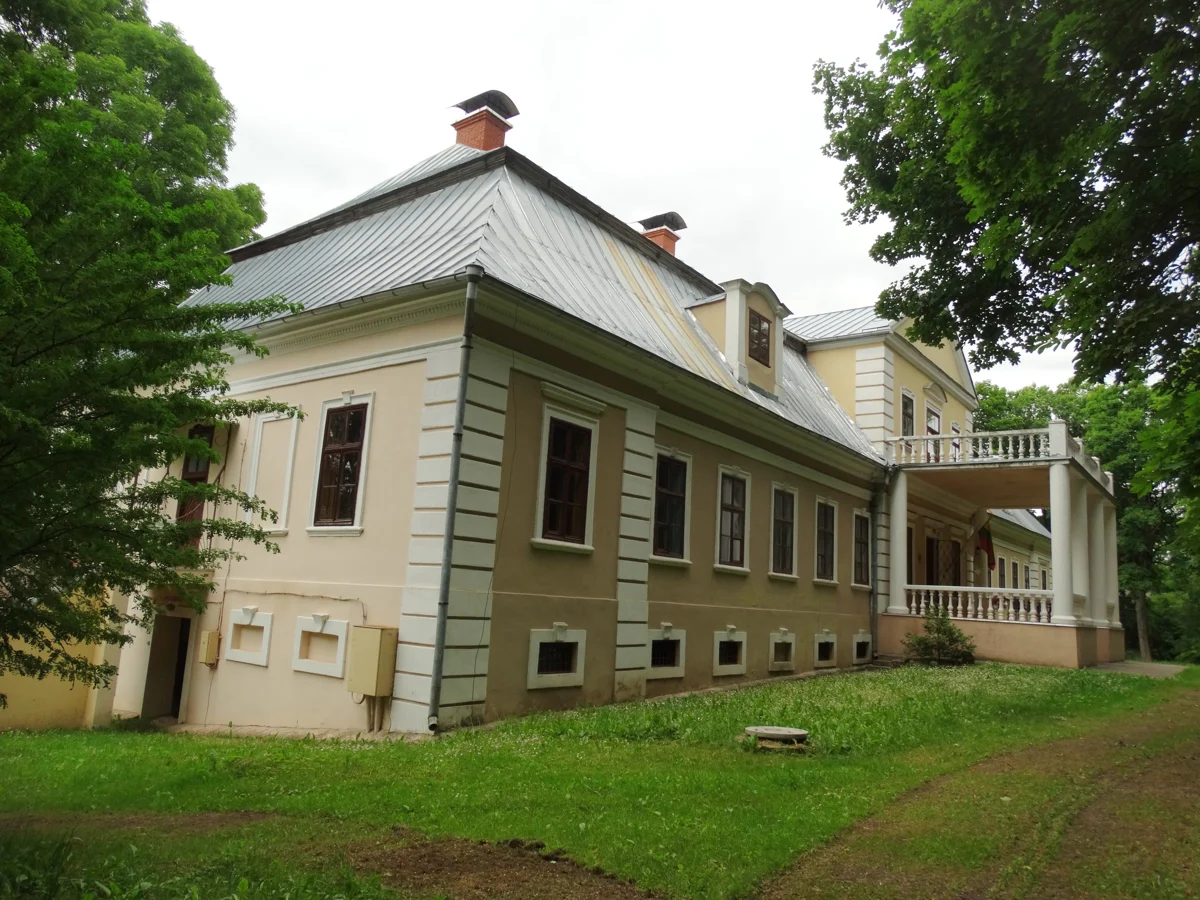
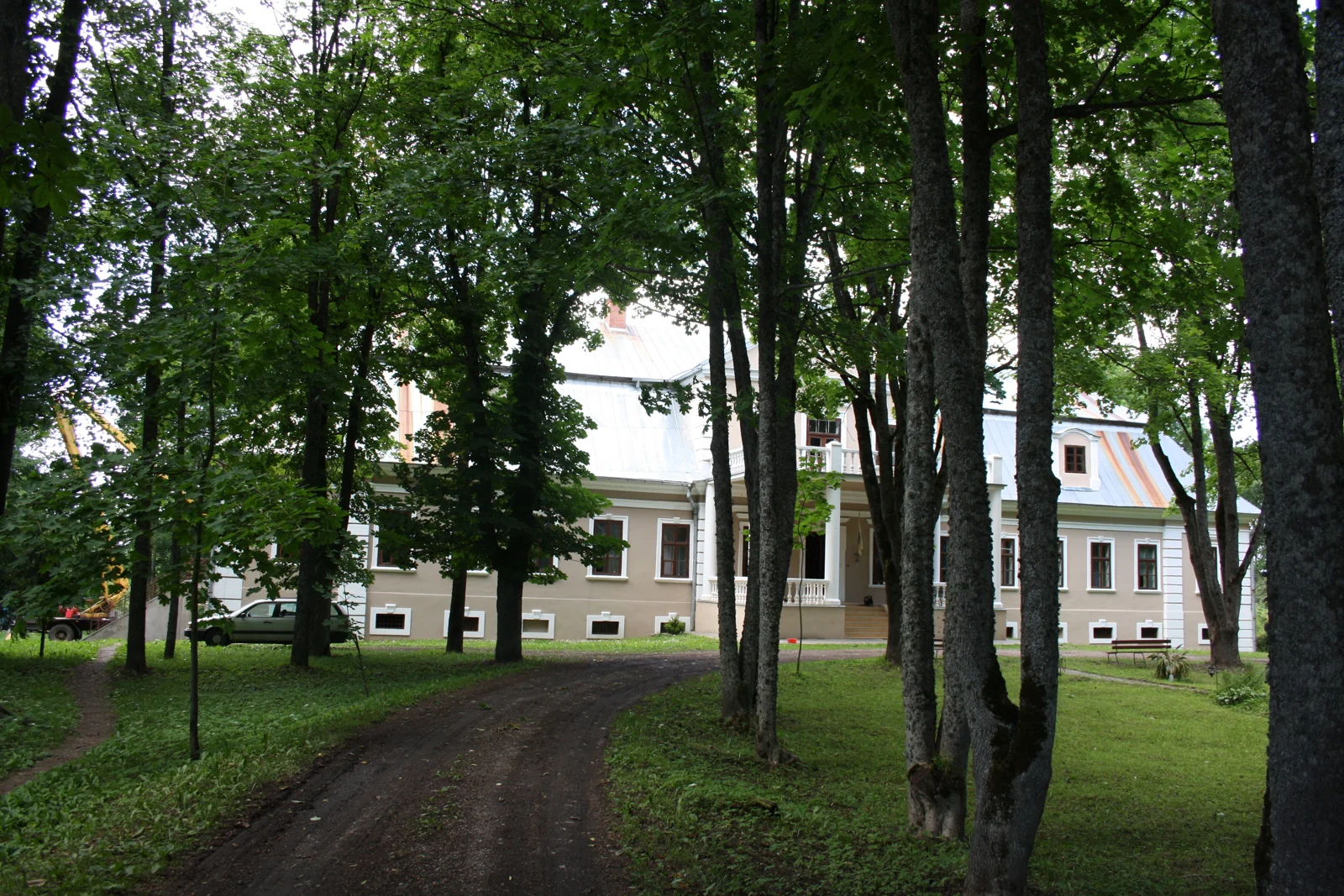
BILIŪNAI MANOR
How old is Biliūnai Manor?
1551, 1592, 1699: several early dates appear in accounts of Biliūnai. They refer to different things. Understanding the manor’s age means distinguishing the estate, the surviving house and the families who lived here.
1592: an estate in the written record
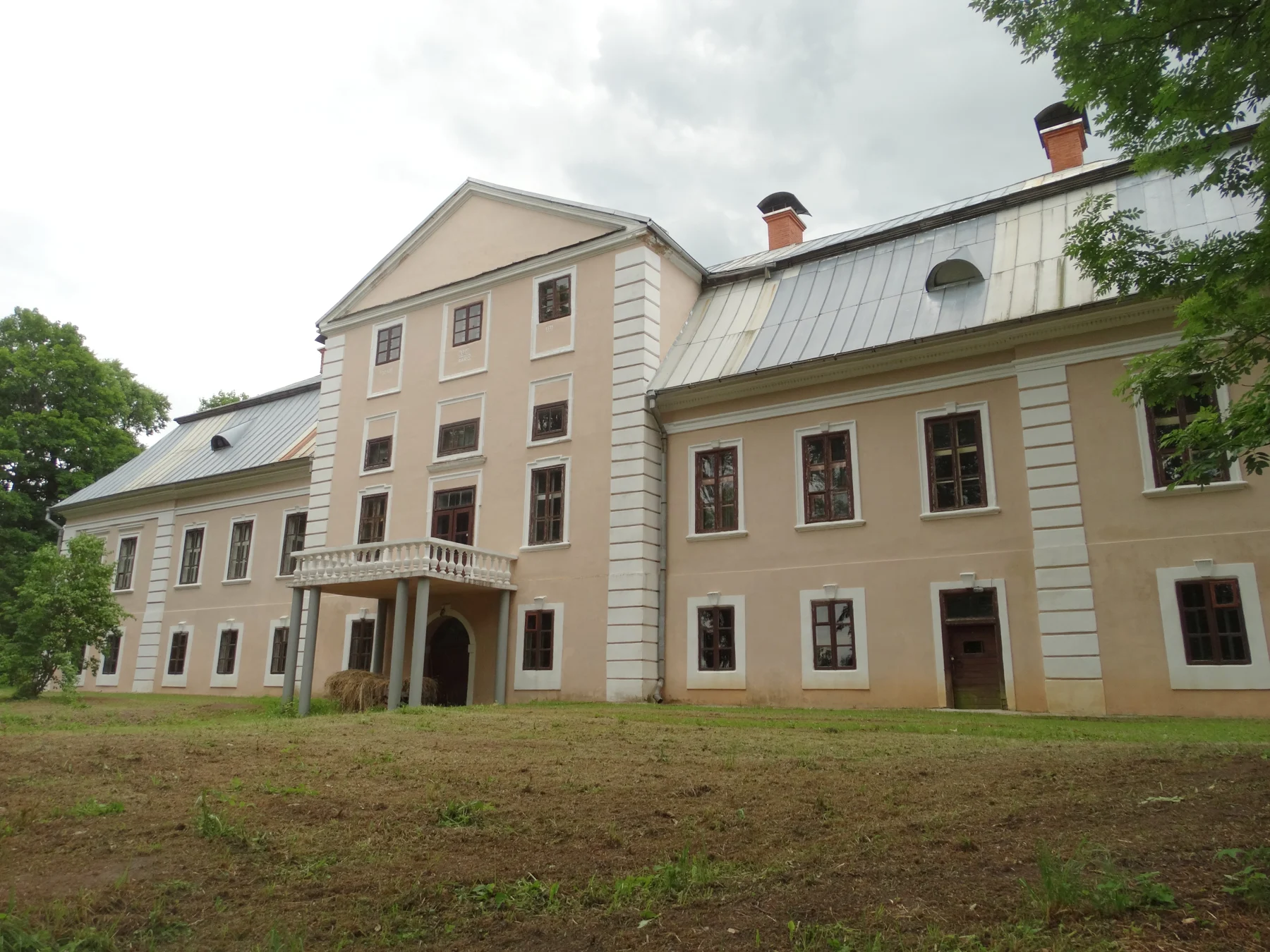
The Lithuanian Castles and Manors Association gives 1592 as the first written mention of the Bilevičiai estate. It is a useful starting point, although a reference to an estate cannot tell us when its surviving house was built. The original early document has yet to enter our collection.
What about 1551? Žemaičių žemė records this date on the façade and suggests that it may relate to earlier wooden buildings. The same account mentions a surviving description of the estate from 1597. These references point towards an older manor site, but do not establish the masonry house’s construction date.
The surviving house came later
Writing in Rasupis, Arnas Zmitra associates construction with the late seventeenth century and Steponas Aleksandras Bilevičius. Žemaičių žemė offers the more specific date of 1699, explicitly as a suggestion. The association’s account dates the masonry house to the eighteenth century.
The precise construction year remains unresolved. The establishment of the estate, the building of the house and its alterations are separate events. Even a firm date for one construction phase would not cover the history of the place as a whole.
Dates also tell family stories
The year 1792 carries another meaning. Rasa Butvilaitė’s research records that Antanas Gelgaudas retained Biliūnai when dividing his estates. After his death, his sons sold it to settle debts. This brief detail brings inheritance, family decisions and financial pressures into the manor’s history.
Another beginning came in 1989. FIXUS Mobilis dates the estate’s return to Jonas Kaminskas’s daughter, Bernadeta Elena Kaminskaitė-Žagarnauskienė, to that year. It marks a renewed family connection with the place. Looking at the house, we can keep all these histories in mind: the old estate, the changing building and the people who called it home.
Sources for this story
- [4] Biliūnai Manor ↗ Catalogue note
- [28] Manors and towns of Samogitia: an overview ↗ Catalogue note
- [8] Rasupis, no. 2: Tracing manor culture in Raseiniai district ↗ Catalogue note
- [31] Panemunė Castle study: references to the Biliūnai estate ↗ Catalogue note
- [21] Inspection and maintenance of Biliūnai Manor house ↗ Catalogue note